
Welcome to La Tiva — a place where life begins.
La Tiva International Birth Home is a modern medical center created with love and care for women.
Our mission is to give every expecting mother confidence, comfort and safety on the way to the most important moment of her life — the birth of her child.
We have brought together advanced technology, experienced specialists and a homelike atmosphere, so that every woman feels like a cherished guest, not a patient.
At La Tiva we believe: birth should be not just a medical process, but an inspiring and harmonious event.
Our values
-

Care and attention
we listen, understand and support every woman.
-

Professionalism
our staff are doctors with international experience and the highest qualifications.
-

Comfort and safety
private suites, modern equipment and round-the-clock monitoring.
-

Trust
we build relationships on openness and sincerity.
Our mission
We create a space where the birth of a child becomes the brightest and calmest event in a woman's life.
Every detail — from the interior to the way our staff cares — is designed to bring harmony, warmth and confidence.
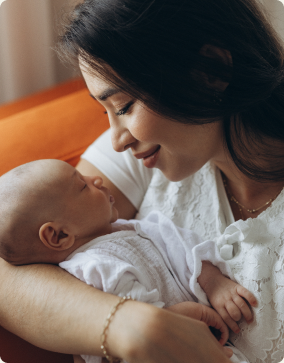
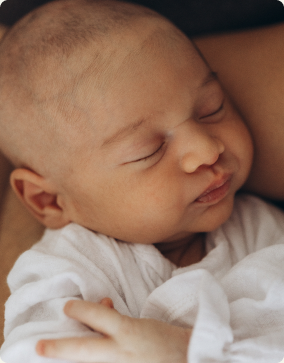
La Tiva photo
At La Tiva, expecting mothers can preserve the most touching moments of awaiting their baby. A professional photo session in the clinic's cozy atmosphere captures the beauty of pregnancy and leaves tender memories for a lifetime.


Questions and answers
How can birth tears be avoided?
Many factors affect the risk of tearing: the baby's weight, the position of the head, the speed of labour, the condition of the perineal tissues, as well as the mother's active participation in the birth and following the midwife's guidance. Tearing cannot be ruled out completely, but regular physical activity during pregnancy, weight-gain control, perineal massage from weeks 34–35 when there are no contraindications and careful management of the pushing stage help reduce the risk. The obstetrician also plays an important role: protecting the perineum, controlling the delivery of the head and timely guidance during pushing are part of preventing birth injuries. That said, no oils, creams or special positions can guarantee protection against tears.
Can you plan the baby's sex?
No, it is impossible to plan the baby's sex. Sex is determined by a random combination of chromosomes at the moment of conception: the egg always carries an X chromosome, and the sperm an X or a Y. That is why no diets, calendar methods or special positions can reliably influence the sex of the future baby.
Allergies in the mother
Most allergies can be managed safely during pregnancy with the right plan. Tell your doctor what triggers you react to — we will adjust medication and monitor you and the baby.
Increased uterine tone
Occasional tightening is common, but frequent or painful tone needs attention. Rest, hydration and a timely check-up help — contact your doctor if it persists.
Low hemoglobin
It is very important to enter pregnancy with normal hemoglobin and iron (ferritin) stores, because the need for iron rises significantly during pregnancy. Hemoglobin norms for pregnant women also differ from the norms outside pregnancy and depend on the gestational age. The examination plan, the need for treatment, the choice of medicine and its dosage are selected individually by the attending doctor based on the tests, the stage of pregnancy and the woman's overall condition.
Rh incompatibility
It is a situation where the mother's blood is Rh-negative while the baby's may be Rh-positive. The mother's body can then recognise the baby's blood as foreign and start producing antibodies against it. To prevent this, a blood test for the Rh factor and antibodies is taken during pregnancy. If the mother is Rh-negative, the doctor monitors the tests throughout the pregnancy and, when necessary, administers a special anti-D immunoglobulin that protects against the appearance of antibodies. The same injection is given after birth if the baby is born Rh-positive. Thanks to this, prophylaxis today is very effective and in most cases completely prevents complications.
Natural birth after a C-section
Natural birth after a cesarean section is possible, but the decision is always made strictly individually and only after assessing all the risks. Birth with a uterine scar is acceptable if there was one cesarean section in the history and at least 18–24 months have passed since the operation. It is also important that the current pregnancy proceeds without complications, the baby is of average expected weight and there are no other reasons for a repeat cesarean. We always take into account the reason for the previous cesarean section. Such births always proceed under constant monitoring, with readiness to quickly perform an emergency cesarean section if necessary. This is done for the safety of mother and baby.